
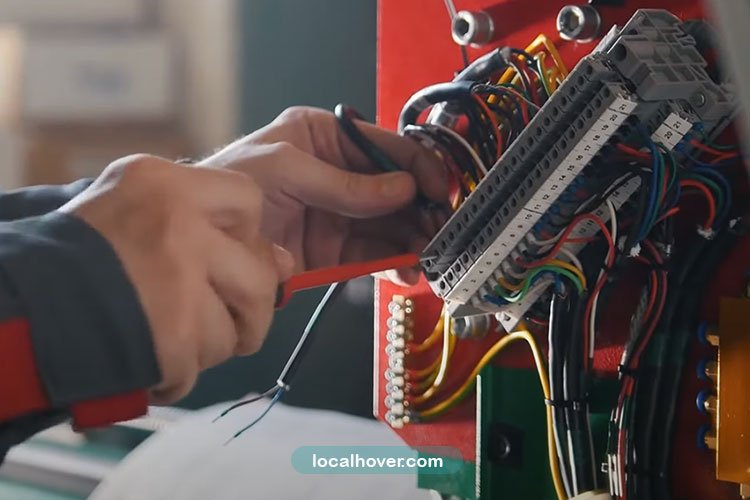

That sudden flicker of the lights, a dead outlet, or the daunting prospect of a major renovation—sooner or later, every homeowner needs an electrician. While common advice like “get three quotes” seems straightforward, it’s dangerously incomplete. The fundamental difference between a successful project and a costly disaster lies in the crucial, often-overlooked details that most homeowners miss. Hiring an electrician is about more than finding someone to connect wires; it’s an investment in your home’s safety. This guide will empower you to hire a true professional with confidence.
The Cheapest Bid Can Be the Most Expensive Mistake
It’s tempting to go with the lowest quote, but this is one of the most common pitfalls in hiring a contractor. Opting for the cheapest electrician can paradoxically lead to much higher costs in the long run. An electrician with a lower price may have less experience. While they might fix the immediate symptom, they may not have the diagnostic skill to identify and resolve the underlying cause of the problem.
Think of it like a car mechanic who keeps fixing the same recurring issue without ever finding the root problem. You end up paying for multiple service calls and wasting money on temporary patches instead of a permanent solution. A more experienced, and perhaps slightly more expensive, electrician can “solve any electrical issues you have correctly the first time.” That higher initial price is an investment in avoiding the cost and frustration of repeat visits, ensuring actual long-term savings and peace of mind.
Not All Licenses Are Created Equal: Master vs. Journeyman
Most homeowners know to ask if an electrician is licensed, but many don’t realise there is a hierarchy within electrical licensing that can significantly impact a project. A valid state license is non-negotiable, but understanding the different levels is crucial for matching the right professional to your specific needs.
According to industry experts, the two primary levels of licensing are:
- Master Electrician: This professional has passed a standardised test and has at least two years of experience. A Master Electrician is qualified to plan, design, install, and maintain entire electrical systems.
- Journeyman Electrician: While also licensed by the state, a Journeyman can install wiring and equipment, but is not qualified to design electrical systems.
This distinction is critical. If you’re planning a remodel, you need an electrician with proven ability to assess the capacity of existing circuits and the technical skill to snake wires through finished walls. These are the skills a Master Electrician brings to the table, making them essential for complex projects. For simpler tasks, such as installing a new outlet on an existing circuit, a Journeyman may be perfectly suitable.
“Insured” Is a Specific Number, Not Just a Checkbox
“Make sure they’re insured” is common advice, but it’s too vague to be truly helpful. The critical question isn’t just if an electrician has insurance, but how much coverage they carry. This coverage protects you, the homeowner, from being held financially responsible for accidents on your property or for damage to your home during the project.
For a typical residential remodelling job, the benchmark is clear: the electrician should carry at least $500,000 in liability insurance and workers’ compensation coverage for their crew. This level of insurance, sometimes referred to as being “bonded,” protects you from worst-case scenarios. Don’t just take their word for it—ask them to provide a Certificate of Insurance (COI) so you can verify that the coverage amounts are current and adequate for the scope of your project.
A Little Prep Work Saves a Lot of Headaches
One of the most overlooked and empowering things a homeowner can do is prepare their home for the electrician’s visit. This simple step can make the job more efficient, often saving you money (especially if the electrician charges by the hour) and ensuring a smoother, safer process for everyone.
Before your electrician arrives, follow this simple checklist:
- Clear the work area of furniture and valuables.
- Provide easy access to electrical panels and outlets.
- Make a list of all issues you want addressed.
- Turn off sensitive electronic equipment if possible.
- Secure pets in a safe area away from the work zone.
True Professionalism Goes Beyond the Toolbox
The technical qualifications of an electrician are vital. Still, the best professionals also possess crucial “soft skills” that signal a high level of quality and respect for you and your home. These are the traits that separate a sound technician from a great service partner. Look for clear communication, a commitment to maintaining a clean worksite, and respect for your time. Crucially, a top-tier electrician will be willing to answer your questions and explain their work as they go.
This level of professionalism is a powerful indicator of a contractor’s reliability and integrity. As one satisfied client noted in a testimonial:
“By the way, I can’t tell you how refreshing it is to work with a contractor who is so buttoned-up and respectful of a client’s time. You are indeed an exception to the rule.” – Minnie Carroll.
When an electrician demonstrates this level of care, it reflects a more profound commitment to their craft and their customers. It’s a key sign that you’ve found a trustworthy contractor you can rely on for years to come.
Conclusion: Beyond the Quick Fix
Hiring the right electrician is an investment in the long-term safety, value, and functionality of your home. It requires looking beyond the surface-level details of the lowest price or the quickest availability. By understanding the nuances of licensing, verifying specific insurance coverage, and recognising the signs of true professionalism, you can make a choice that protects your home and gives you confidence in the work being done.
Ultimately, the decision comes down to a simple question. When it comes to your home’s safety, are you looking for a simple repair or a trusted partner?