
Finding a reliable plumber can feel daunting, especially when you’re faced with an emergency or a home renovation. Plumbing issues, if left unaddressed, can lead to significant damage and costly repairs. But don’t worry — finding a good plumber doesn’t have to be a headache. As someone with years of experience working with contractors and service providers, I’ve compiled a few expert tips for finding a plumber who will get the job done right.
1. Start with Referrals and Reviews
The first step to finding a good plumber is asking for referrals. Talk to family members, friends, or neighbors who have had plumbing work done recently. Their experiences will give you a reliable starting point. Don’t be shy about asking questions about the plumber’s reliability, quality of work, and professionalism.
If personal referrals aren’t available, turn to online review platforms like Google Reviews or Yelp. Be sure to look for plumbers with consistent, positive feedback, especially in customer service, work quality, and overall professionalism. A plumber with many satisfied customers is usually a good bet.
2. Check for Proper Credentials and Licensing
Before inviting a plumber into your home, always check their credentials. A qualified plumber should have the appropriate licensing and insurance for your area. This ensures that they are trained to handle the job and that any accidents or mistakes are covered.
In many places, plumbers are required to hold a valid license and may need to complete continuing education to stay up to date with industry standards. You can often check their licensing status with local authorities or regulatory bodies.
Additionally, make sure the plumber has liability insurance. This protects you in case something goes wrong during the job, like an accident or property damage.
3. Get Multiple Quotes
Once you’ve narrowed down your list of potential plumbers, don’t settle for the first one who gives you a quote. It’s always wise to get at least three estimates. This gives you a broader idea of the pricing in your area and helps you assess the plumber’s honesty and professionalism.
Be sure to ask for detailed quotes, not just an estimate over the phone. A written quote will include the cost of materials, labor, and any other potential fees. This can help you avoid unexpected costs later on.
4. Look for Experience and Specializations
When it comes to plumbing, experience matters. A seasoned plumber can handle a variety of issues, from simple repairs to complex installations. Check how long the plumber has been in business and what types of plumbing services they specialize in.
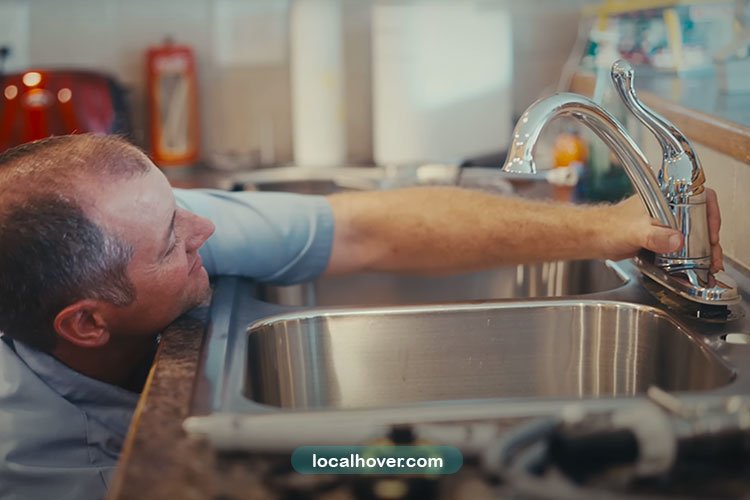
For example, if you have a complex issue like a clogged sewer line, you’ll want someone who specializes in that specific area. On the other hand, for a simple faucet leak, you may not need someone with a ton of specialized experience.
5. Availability and Response Time
Plumbing issues don’t always happen during regular working hours. That’s why it’s essential to choose a plumber who is available when you need them. Ask about their availability, especially for emergencies. A reliable plumber should be willing to provide emergency services or, at a minimum, have a team on call for after-hours issues.
It’s also helpful to gauge how quickly they respond to inquiries. A good plumber will answer your call promptly, schedule an appointment without delay, and communicate clearly about their timeline.
6. Assess Communication Skills
Good communication is essential when working with any contractor. From the moment you first contact the plumber, pay attention to how they communicate. Are they friendly and professional? Do they explain things clearly? A good plumber should be able to describe the problem and the steps they’ll take to fix it in a way that’s easy to understand. If a plumber seems rushed or doesn’t take the time to listen to your concerns, that might be a red flag.
7. Check for Warranties and Guarantees
A professional plumber should stand by their work. This means offering warranties or guarantees on their services. Ask about the plumber’s policy for post-service follow-ups. If the issue arises again after the repair, will they fix it for free or at a discounted rate? A good plumber will have no problem providing these assurances, demonstrating their commitment to customer satisfaction.
Conclusion: Don’t Settle for Less
Finding a good plumber takes time and research, but the peace of mind it brings is well worth it. By asking the right questions, checking credentials, and reading reviews, you can ensure that you hire a professional who will get the job done right the first time. Always remember to get multiple quotes, assess their communication skills, and choose a plumber with a solid track record of reliability.
Plumbing problems are inevitable, but they don’t have to be a significant hassle. With these tips, you’ll find a trusted plumber who will keep your pipes running smoothly for years to come.